
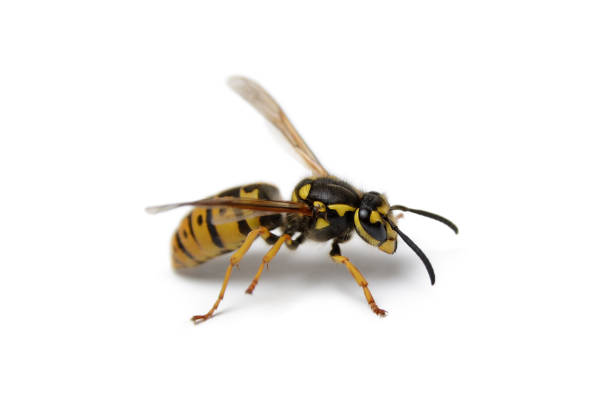
Easily one of the most common pest species that we deal with from mid-late spring through to autumn. They are also a pest that can cause you considerable distress if you are unfortunate enough to stumble upon their nest or even just trying to enjoy a meal outside. One wasp sting can be painful but many wasp stings could potentially send you into anaphylaxis- a severe, potentially life-threatening allergic reaction.
If you see groups of wasps going about their business around a particular bush or tree they are likely to just be foraging. However if you are consistently seeing wasps going in and out of a certain point either in a bush, a vent, hole in a wall etc then that is likely to be a nest. If that nest is in an area that could cause serious harm to yourselves then it needs to be treated and/or removed.
Absolutely DO NOT attempt to treat the problem yourselves. Wasps give off alarm signals to each other and you could have dozens on you in seconds. Household sprays may kill the odd wasp inside your home but will do nothing to treat the nest itself.
We are wasp control experts and have all of the protective equipment, treatment chemicals, access equipment and years of experience. Any nest that we can access will be removed that same day. If the nest is inaccessible to remove we will treat the nest entry with professional insecticide which will kill the nest off over the course of a couple of days. Any nest that is still active after one week we will of course return for a further treatment free of charge.
Click here to enquire about EnviroShield wasp pest control services.
Unsure if you have wasps or bees?
Certain bee species, particularly honey bees or solitary bees can often be mis-identified as wasps. The laws and ethics regarding the treatment of bees are very different to wasps and so it’s important to identify correctly. We will only remove bumblebee nests safely without the use of chemicals to re-home. We always recommend that you contact a local beekeeper if you are concerned about a honey bee hive or swarm and we will never chemically treat solitary bees as they pose no threat to you. If you are unsure of the species that you are concerned with we will gladly survey the area free of charge to identify the species.
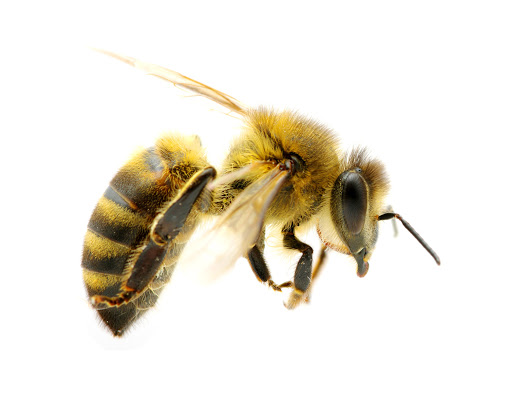
Honey bee 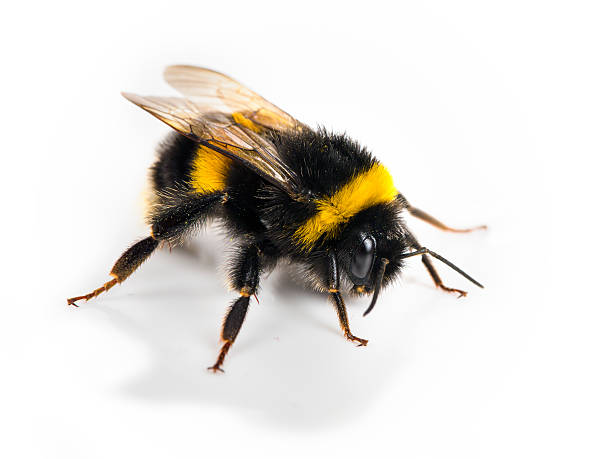
Bumblebee 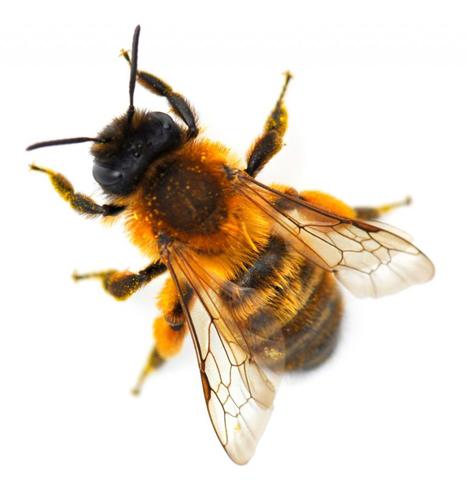
Miner bee (solitary)
 EnviroShield Pest Management - Bishops Stortford